
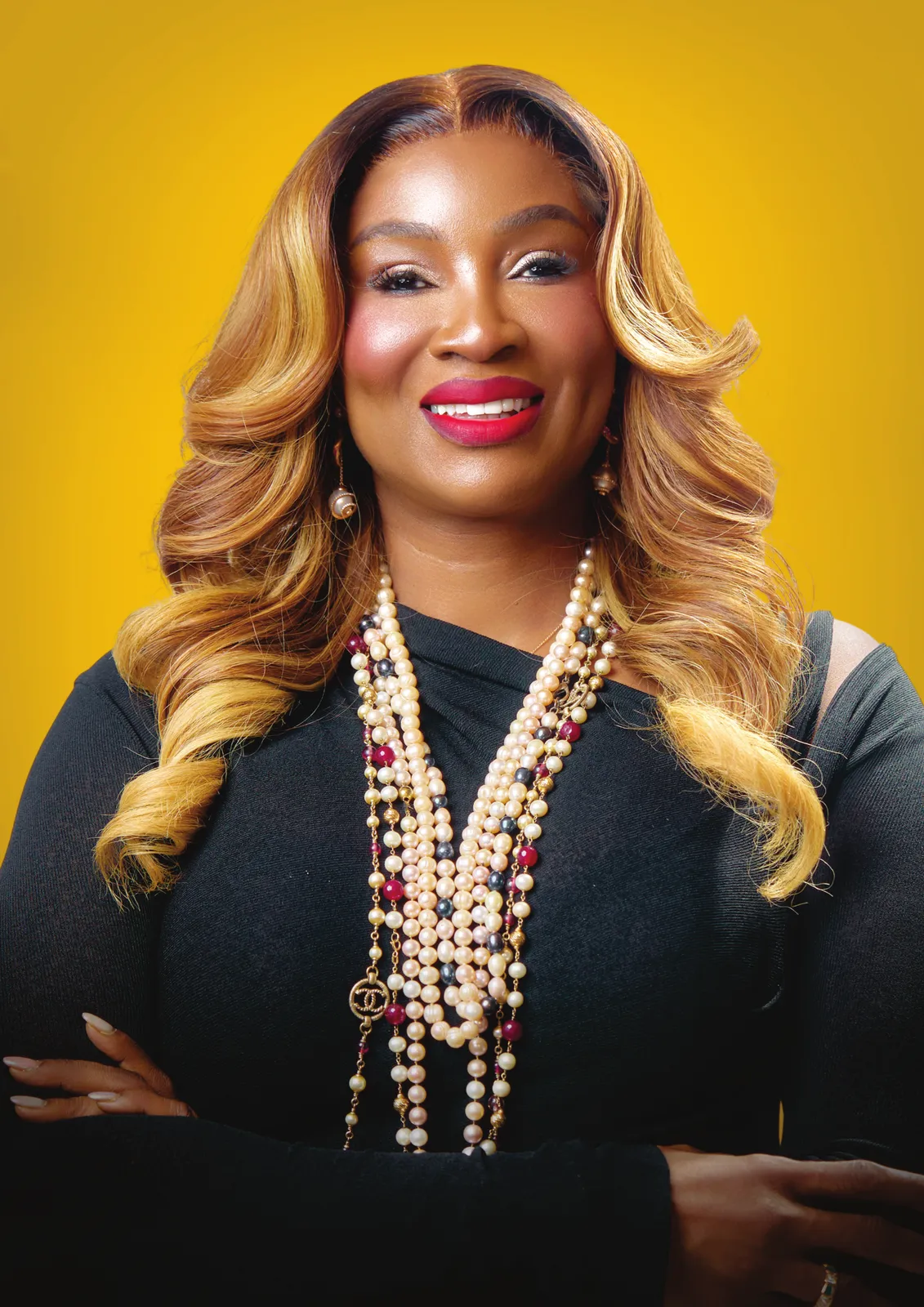
Cover Story · An AFRIFF Special
The Chioma Ude Edit
Putting African cinema on the map
The last decade has seen tremendous growth take place in the film industry in Nigeria and even across the African continent. From Nollywood's rapidly growing presence on Netflix and other global streaming platforms, to record-smashing cinema feats, Nigerian filmmakers are taking the global industry by storm. But it goes beyond the filmmakers. Behind the scenes, there are entertainment executives who are changing the narrative and making big moves from the backend of Nollywood. Sitting amongst those at the peak of Nollywood's executive class is Chioma Ude.
Fifteen years ago, entertainment executive and media entrepreneur Chioma Ude established what would become one of Africa's biggest film festivals. The Africa International Film Festival (AFRIFF) was founded in 2010, with its inaugural edition held in the city of Port Harcourt. While serving as project manager for the ION International Film Festival, a global touring festival which she brought to Nigeria, Chioma Ude identified a gap and knew that only a local film festival that showcased African and diaspora films would adequately fill it. This inspired the creation of AFRIFF. Over the last decade and a half, the festival has grown from a regional initiative into the continent's foremost film festival, fundamentally reshaping the landscape of African and diaspora cinema.
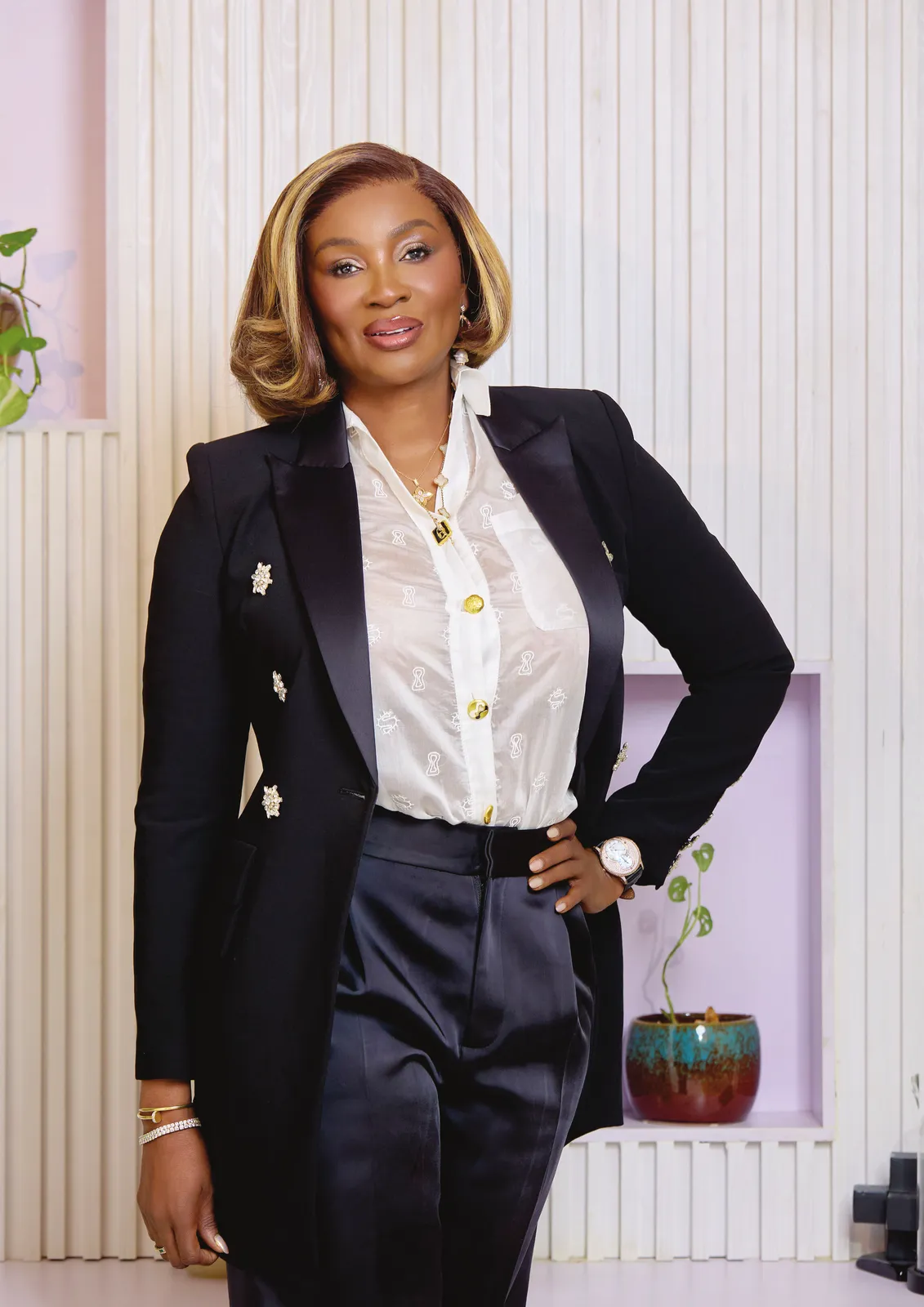

“From the get go, I wanted to see how the industry could connect to the rest of the world.”
As a top executive in the Nigerian film industry, Chioma Ude has proven to be not only highly driven, but exceptionally innovative. Speaking about the motivation behind the festival, she states: "From the get go, I wanted to see how the industry could connect to the rest of the world."
This desire to build a bridge between the African film industry and the rest of the world has continued to drive AFRIFF's pursuits over the years, and the growth has been evident.
"There's been a lot of growth," Chioma Ude says, speaking to DT NOW Magazine. "I remember the first films we showed. They weren't bad, but as someone who had seen so much better, I had my reservations and I knew where we still had to get to."
To see the improvement she desired for AFRIFF, Chioma Ude did not hesitate to go the extra mile. "I attached trainings," she says. "I put a good sum of money into bringing foreign resource persons to train us. I made sure I added a component where I sent so many students abroad, just to see that improvement. And by the second and third festivals, Nigerians were winning."
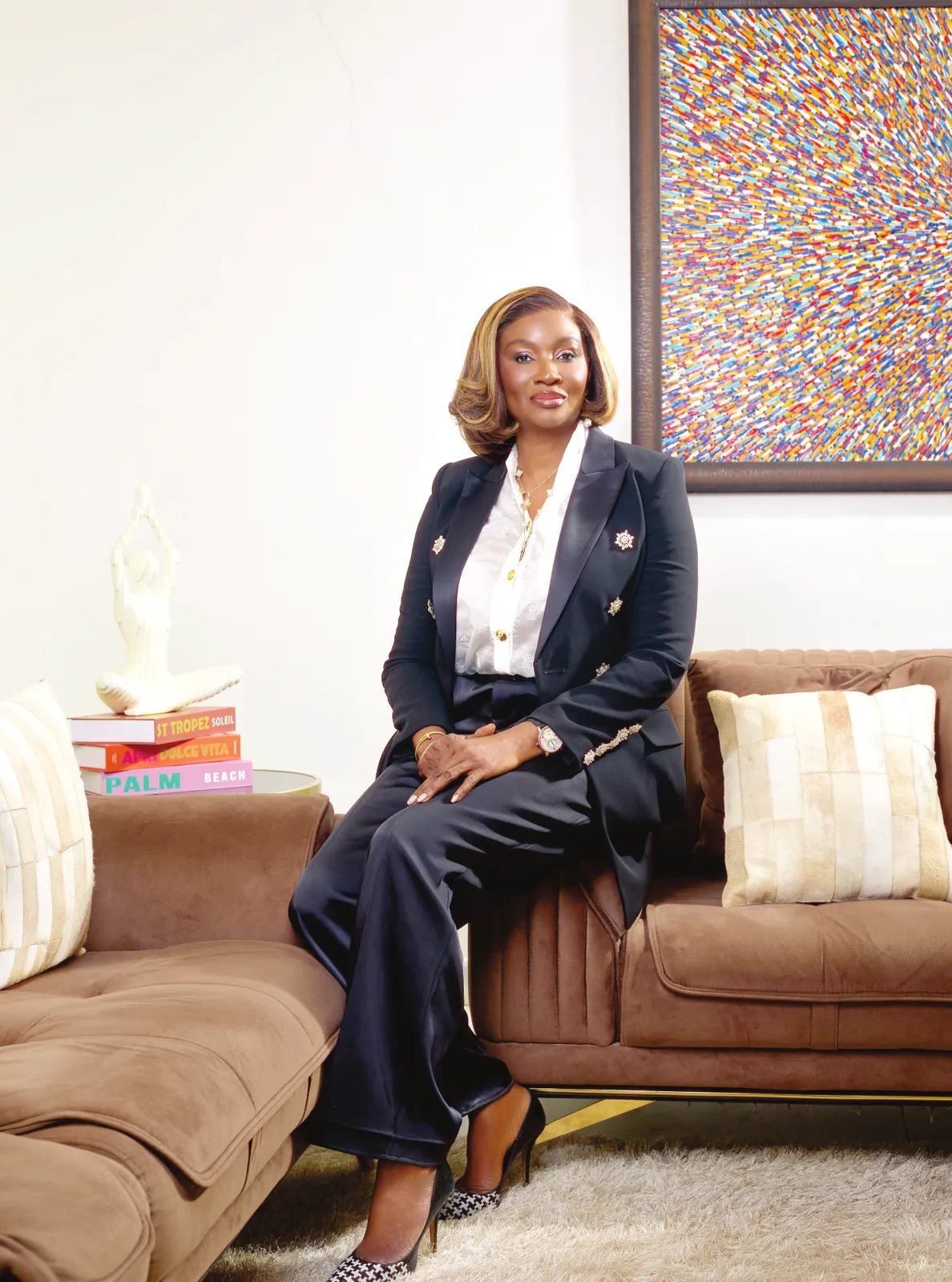
As the years go by, greater doors continue to open for AFRIFF across various shores. The quality of films shown, and the quality of the festival itself, has continued to improve. Perhaps this is because AFRIFF has been built around a culture of giving back. Chioma Ude did not merely create a film festival. She has designed AFRIFF to be a full-fledged talent incubator and industry accelerator. The festival's flagship programme has provided free filmmaking training to thousands of young adults across various African countries, bridging the gap for the next generation of storytellers.
"One thing that has defined the festival for me is the whole training aspect," she says. "At some point, when our students travelled and came back, they would get asked 'did you go to one of the trainings with AFRIFF?' and that's how they were hired. Those kinds of reports came back to me. Also, AFRIFF was continually heard in places that we never imagined."
Beyond the trainings, AFRIFF has also created an active ecosystem to develop, distribute and monetise African films. Speaking about significant moments in the journey, Chioma Ude says:
"One of my biggest moments was when we got a call from Disney and Ryan Coogler to say 'we want you to show Black Panther. We want it to be the African premiere. We want it to open your festival.' That was huge for me. It was so big that I didn't attend because everybody wanted a ticket. For me it is always about giving back, helping people, so I gave out my last ticket to someone else and I didn't attend. I collected all the tickets from all my staff just so other people would go, so when the festival was all over, I bought tickets and all of us sat down together and we watched the movie."
Speaking further on significant milestones, Chioma Ude says: "Despite all odds, we started the film market. And we were the first country out of Africa to be invited to the prestigious programme 'Goes to Cannes'. And what is the programme about? Films that are not quite finished get to be in a room in Cannes with distributors, sales agents and investors, and they watch your movie. They watch ten minutes of each movie to see whether they would participate or even distribute it. One of the movies was picked up, and recently they called us again, so we'll be going back to Cannes next year for this same programme."



“Now I have tunnel vision, and I know what I'm going for.”
The success of AFRIFF draws significantly from the personality of the woman behind it. Chioma Ude describes herself as a Yes Person, always willing to take a chance on people and on ideas. But she admits that this has both a good and a bad side. "I've learnt how to say no," she says. "I have changed in that way. I'm stronger and more focused now. I wanted to help the whole world and it was draining me at some point. But now I have tunnel vision, and I know what I'm going for."
While AFRIFF is without a doubt a continental success, a lot more is required, especially in terms of financing and resources. "We need studios, we need real resource materials," Chioma Ude says. "Trainings and studios. There is money here. If the investors can see the returns, they will release the money."
This year, as AFRIFF celebrates its fifteenth year, it serves not only as a testament to the immense potential available in the African film industry, but as proof of Chioma Ude's remarkable drive, skill and expertise when it comes to Africa's film ecosystem. With every year she spends in the industry, Chioma Ude cements her place as one of the geniuses putting African cinema on the map.