

Unsung Hero
How Collins Ebuka Is Making Shoes And Living In A Full Circle Moment
By Alfredo Oveimeh-Brown
Some people build their dreams in university lecture halls, but others build theirs in a shop with a blunt-end needle, a piece of leather and the courage to keep going even when life takes an unexpected turn. This is the story of Collins Ebuka, a shoemaker and small business owner in Abuja who has spent years turning raw materials into footwear, and his tough experiences into opportunities. His story is one of resilience, confidence and self-reliance.
Today, Collins runs two shops under the name Talent Wears, makes and sells shoes, offers POS services and trains young boys in the craft that shaped his life. But before the shops, the customers and the business, there was a young boy in Aba who needed any possible chance to build a future for himself.

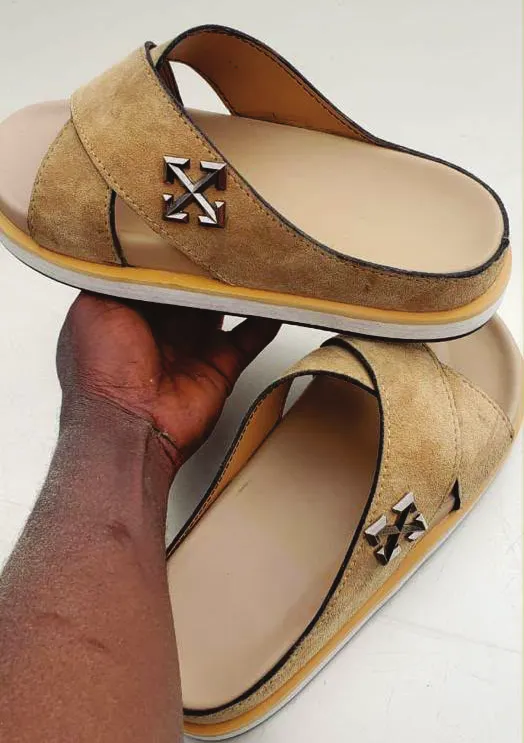
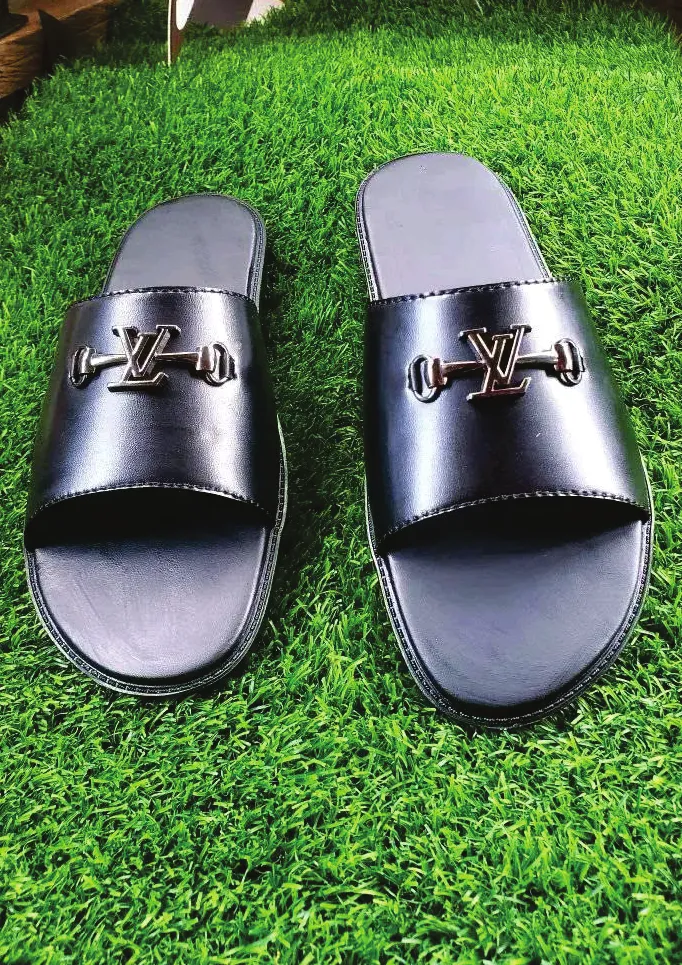
Ebuka's journey into shoemaking began while he was still in secondary school. Living with his uncle, an experienced shoemaker who owned multiple shops in Aba, he found himself close to a trade that would eventually shape his life. Instead of simply watching his uncle work, Collins chose to become his apprentice, learning the skills and discipline that the business demanded. His education ended at secondary school because of financial difficulties. "I could not afford to further my education to the university level," he explains. For many young Nigerians, not making it to university can feel like the end of a dream, but Ebuka found another way forward. He poured himself into learning the craft under his uncle and eventually opened his own shop in Aba.
Moving to Abuja brought a fresh start, but it also came with its own challenges. His elder brother gave him a container to use as a business space, allowing him to continue making and selling shoes. After about four years, however, circumstances changed and he had to leave that shop. Thankfully, he had saved enough to rent a shop of his own.
Looking back, Ebuka says shoemaking has taught him "patience, discipline and the importance of paying attention to details." He adds, "Rather than depending on others, I have been able to use the skills I acquired to earn a living and build a business of my own."
Ebuka's story reflects a familiar tradition in Igbo communities: the apprenticeship system, popularly known as Nwa Boi, in which young people learn a trade under an established business owner before eventually becoming independent. The system is more than just learning how to make or sell something; it involves years of practical experience, discipline, observation and learning how a business operates. In many cases, the apprentice eventually establishes a business of their own.
“My uncle gave me the opportunity to learn a practical skill when I was still in secondary school and that experience played an important role in shaping my life.”
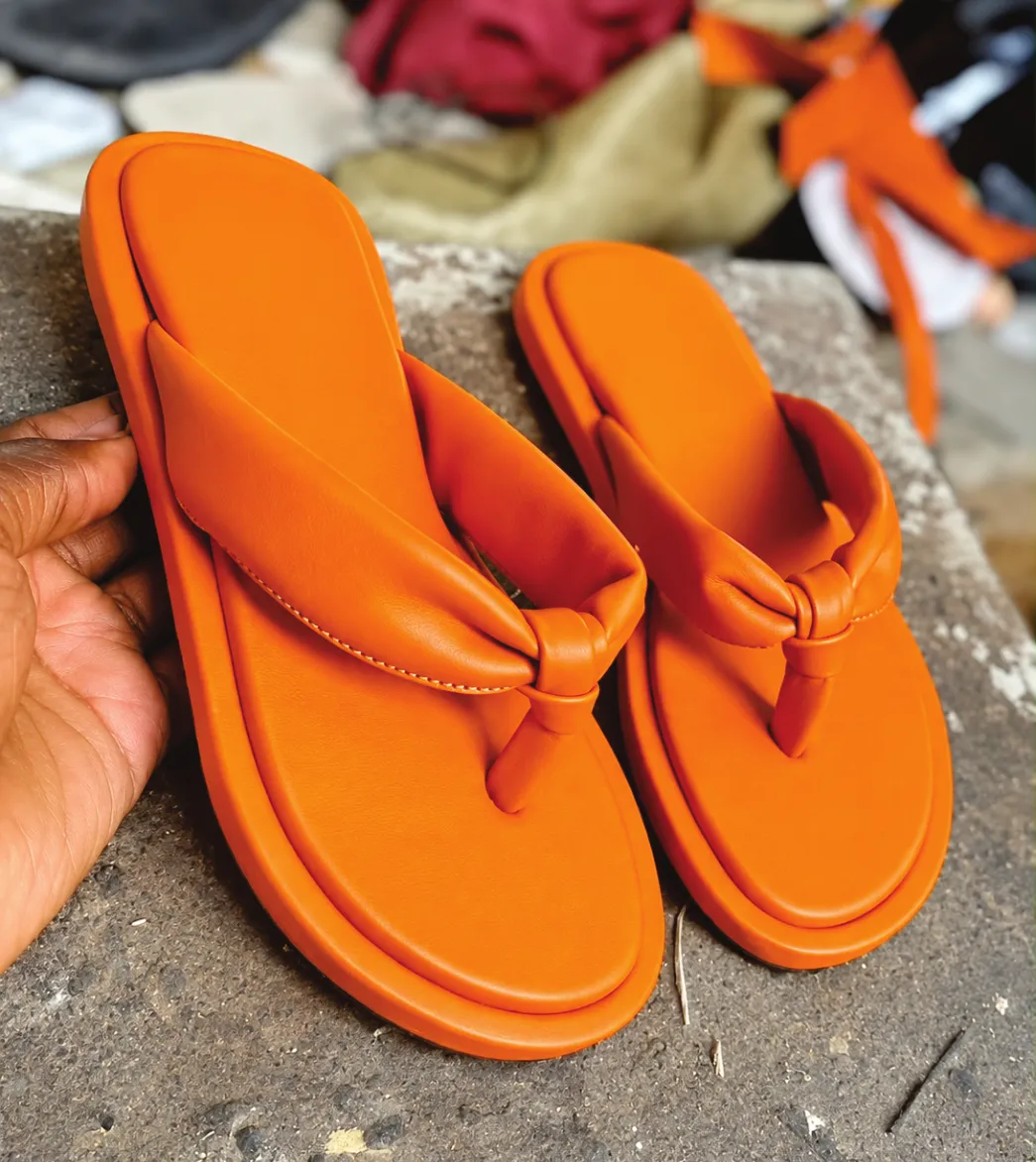
For Collins Ebuka, learning under his uncle gave him a solid foundation. He acquired a practical skill, gained experience and eventually opened his own shop. Now, he is passing that opportunity on to other young boys. "One of the things that inspires me to train young boys in shoemaking is my own experience of learning the craft at a young age," he says. "My uncle gave me the opportunity to learn a practical skill when I was still in secondary school and that experience played an important role in shaping my life."
Someone gave him a chance, and he is choosing to do the same for others. Ebuka has gone on to train not just teenage boys, but even other young men like himself who have completed their university education but are yet to find suitable employment.
Training young boys is not always easy. Every apprentice learns at a different pace and mastering a craft requires time, practice and commitment. Still, Ebuka believes the effort is worth it. "I believe that young people should have opportunities to learn practical skills, regardless of their educational or financial backgrounds," he says. "Not everyone will follow the same career path, but learning a trade can provide another way to build a future."
His words hit differently in a country where many young people are searching for jobs, struggling to pay bills or wondering what comes next after school. Not everyone will become a doctor, lawyer, content creator or tech bro. And honestly, not everyone needs to. There is dignity in knowing how to do something with your hands, turning that knowledge into a business and earning a living from it.
For the boys learning under Ebuka, the shop is not a place to spend their days and pass time; it is a space to acquire a skill that could one day help them become independent. Ebuka hopes they will learn more than shoemaking. "My hope is that the young people I train will not only learn how to make footwear but also develop the discipline, confidence and mindset needed to establish themselves someday." That is what makes his work meaningful. Aside from producing shoes, he is helping other young people prepare for a future in which they can stand on their own feet.
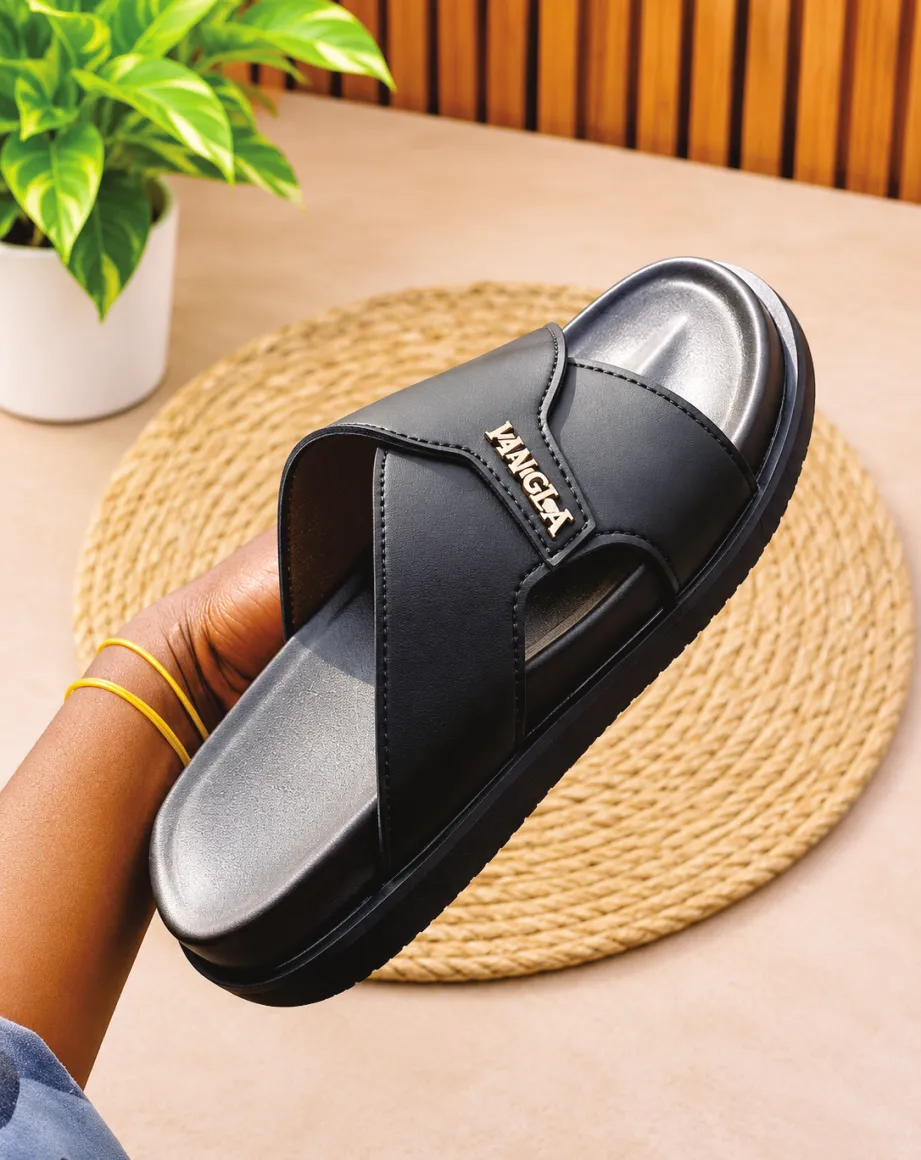
In Nigeria, factory-made shoes are everywhere. However, handcrafted footwear offers something personal. Customers can choose their preferred designs, colours, materials and sizes, while the shoemaker brings each pair to life. For Ebuka, the process begins with understanding what the customer wants. He then sources the materials, takes measurements, cuts the patterns, assembles the different parts, fits the sole and finishes the shoe. Every stage requires patience and precision. "The greatest satisfaction comes from turning raw materials into a finished product that a customer can wear and appreciate," he says.
But running the business is not always smooth. Rising material costs, rent and the challenge of attracting customers all demand careful planning. Even so, he has bigger plans for Talent Wears. "In the next five years, I envision building a stronger and more recognised footwear business," he says. He also hopes to expand, create more employment opportunities and train more young people. For someone who started learning as a teenager, that vision represents years of growth, sacrifice and determination.
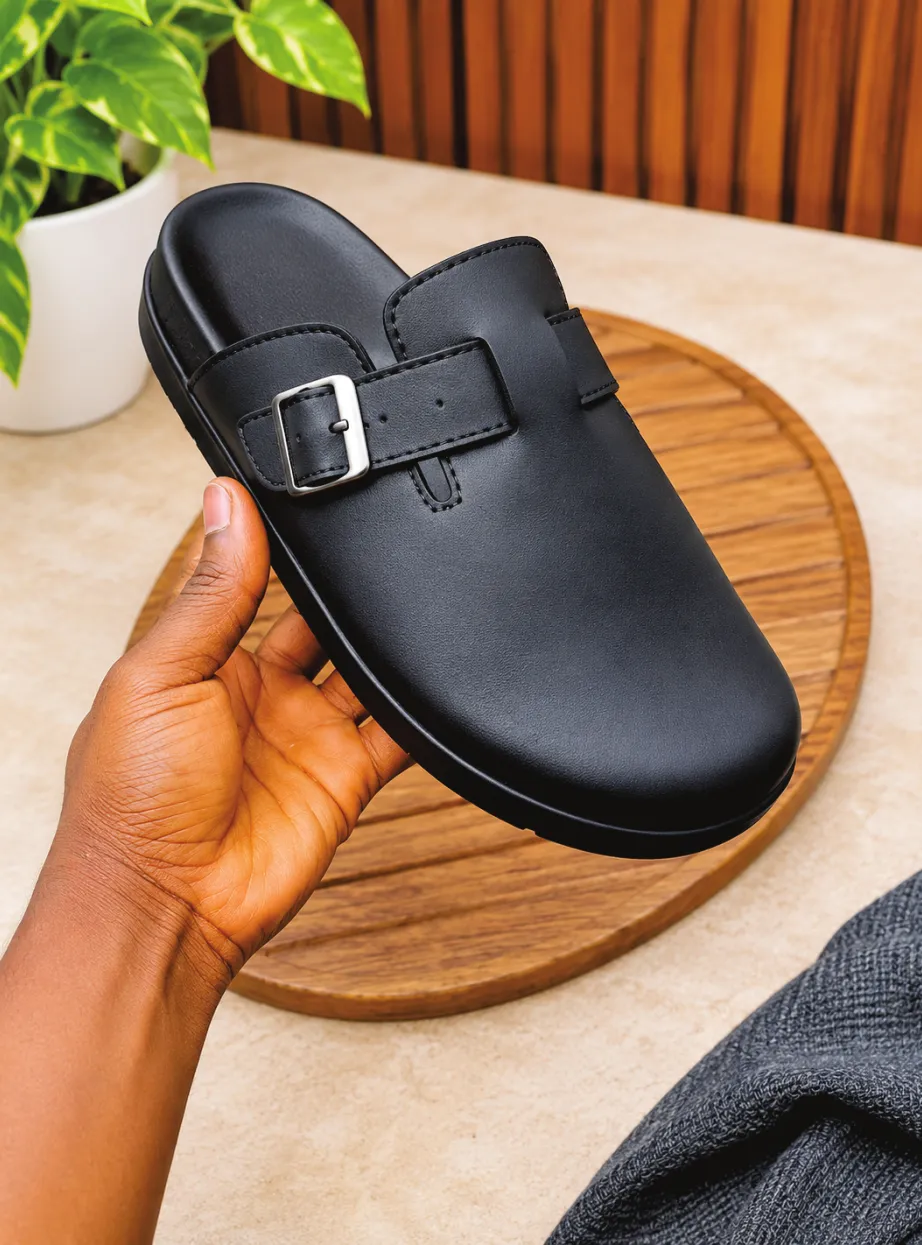
We celebrate celebrities for their talent, entrepreneurs for their success and influencers for their impact, but there are people making a difference in their communities without much attention or applause. They are the artisans, traders, tailors, mechanics and small business owners who keep things moving. They are people like Ebuka, whose work supports his livelihood while creating opportunities for others.
His story reminds us that success does not always begin with a big break. Sometimes it starts with someone willing to teach you a skill; sometimes it grows from a difficult decision or a setback that forces you to start again. Ebuka may still have bigger dreams to fulfil, perhaps furthering his education and expanding the business, but his journey already carries progress worth celebrating.