
Fashion and Nomenclature
Why Luxury Brands Name Their Pieces
By Tomisin Juliet Faoye
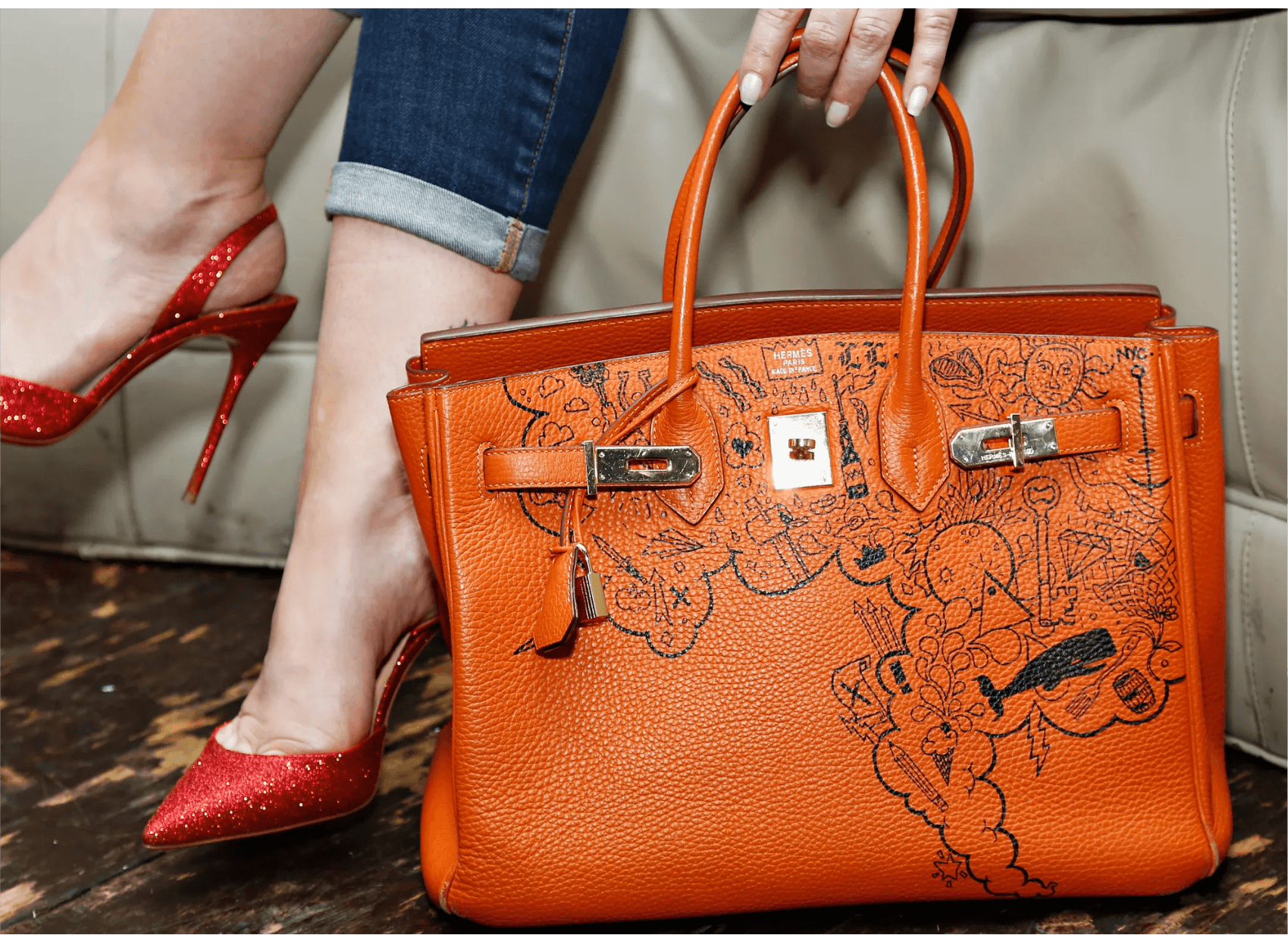
he Kardashians. Lady Gaga. Catherine Deneuve. One thing they have in common? They, among a select list of other high-power, glamour elite, have been among the lucky few to sport a Birkin. The bag, elevated to exclusivity thanks to the long wait list and hefty price tag, has become one of the most coveted fashion items today. What every buyer knows: when you buy a Birkin, you're not buying a bag, you're buying a name.
A serendipitous meeting in 1984 between Hermes' then-CEO Jean-Louis Dumas and British actress/singer, Jane Birkin became the legendary catalyst for the creation of this unique luxury handbag. Today, despite the fickle nature of fashion over the decades, the Birkin's role as a status symbol on the arms of the rich and famous shows no signs of changing.
The bag is hard (call that almost impossible) to buy at retail, and prices range anywhere from $10,000 to $2 million at auction,
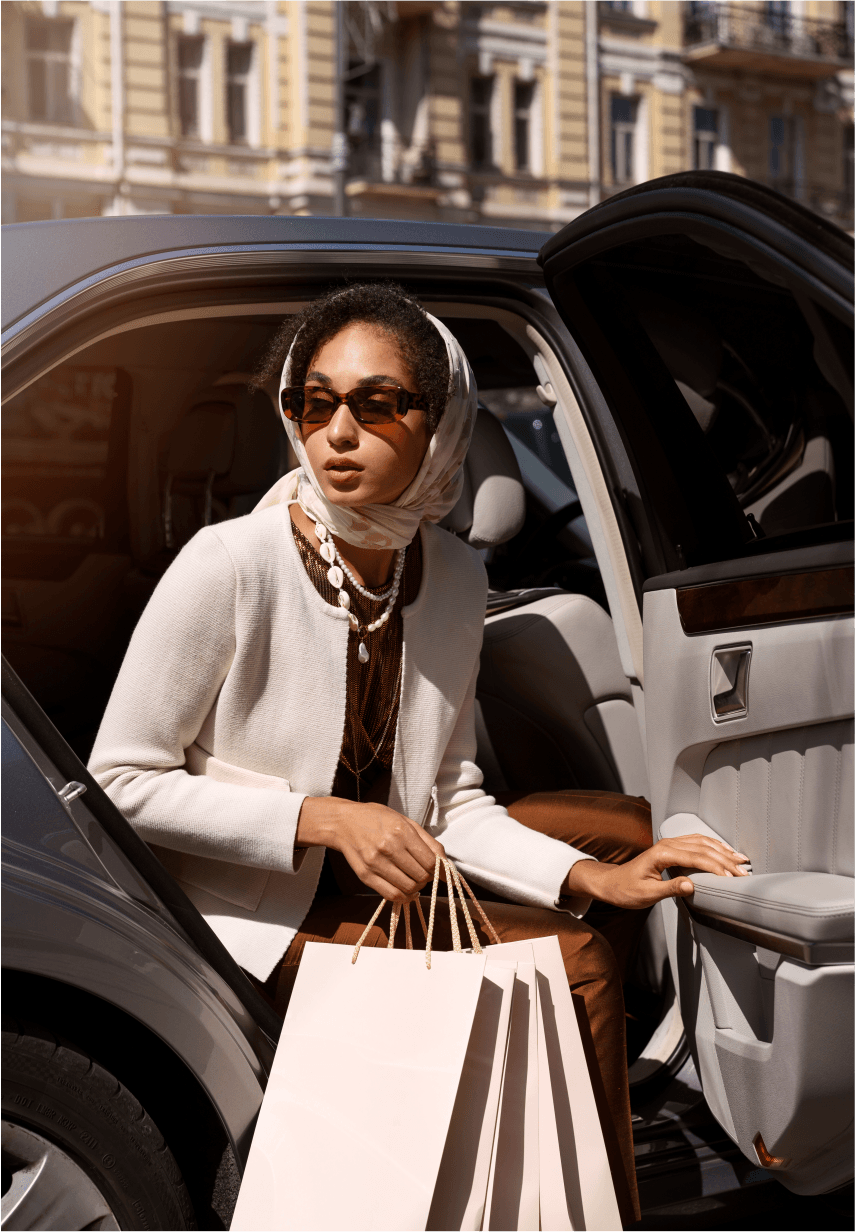
depending on the rarity of the materials used. Materials range from high-quality cowhide leather, to crocodile, ostrich and lizard leathers. Cate Blanchett's character in Blue Jasmine struggles to part with her camel-coated Birkin, Victoria Beckham (who owns over a hundred of the bags) matches a poppy pink ostrich bag to her poppy pink outfit, Olori Atuwatse III exits a limousine with a baby blue gold-hardware Birkin, and Toke Makinwa holds out her emerald green Birkin in front of birthday balloons; variations of the Birkin bag appear across red carpets, social media and cityscapes from London to Lagos to Nairobi.
While few luxury brands can boast such a legendary origin story as Birkin's, it has not prevented unique names from prevailing among luxury pieces, sometimes named after the designers or otherwise given unusual names that seem like they could be inspired by just about anything. Examples include the Millionaire Speedy by Louis Vuitton, the Trash Pouch by Balenciaga and the Diamond Forever by Chanel.
The art of naming fashion items goes beyond just handbags. Dresses, wrist watches and other fashion items are often assisted to the heights of cultural prominence through their notable names. The prominence and recurrence of the naming-phenomena trend suggests a purpose and psychology beyond simply labeling items. These brands are seeking to create a story behind each item, helping potential customers connect deeply with, and feel something for them, on a personal level. Sometimes these names are also used to celebrate the legacy behind the item; the designer's legacy, craftsmanship or personal history, or they may create added mystique and exclusivity through their inexplicable naming.
"Exclusive" and deliberate naming of items has also proven to be a highly successful marketing strategy. In an industry brimming with thousands of brands, iconic naming is a necessary part of standing out from the competition. So, rather than just putting a bag on the market, Hermes puts out a Birkin. Rather than just putting a scarf on the market, Valentino puts out the Valentino
Garavani Toute la V scarf.
In Nigeria today, fashion designers have caught onto this trend, with indie designers giving us items with names such as the Tayo Top, the Yan Dress, the Zee Skirt, the Hanifa set, the Luna Mesh Top, among many. While these items are yet to hit the lofty heights of international fame, they stand as proof that the Nigerian fashion industry is running with global trends. In the near future, we can hope to see a Nigerian design break into the global luxury fashion scene and maintain its place over many years, just like the Birkin has done.
While Shakespeare's famous line from Romeo and Juliet, 'What is in a name? That which we call a rose, by any other name would smell as sweet', argues against the significance of a name, we can all agree that even those who have never smelt a rose, know its name.
A luxury brand, it would seem, needs the totem of a luxury name; something which can immortalize the item, granting it a timelessness that only nomenclature can achieve.