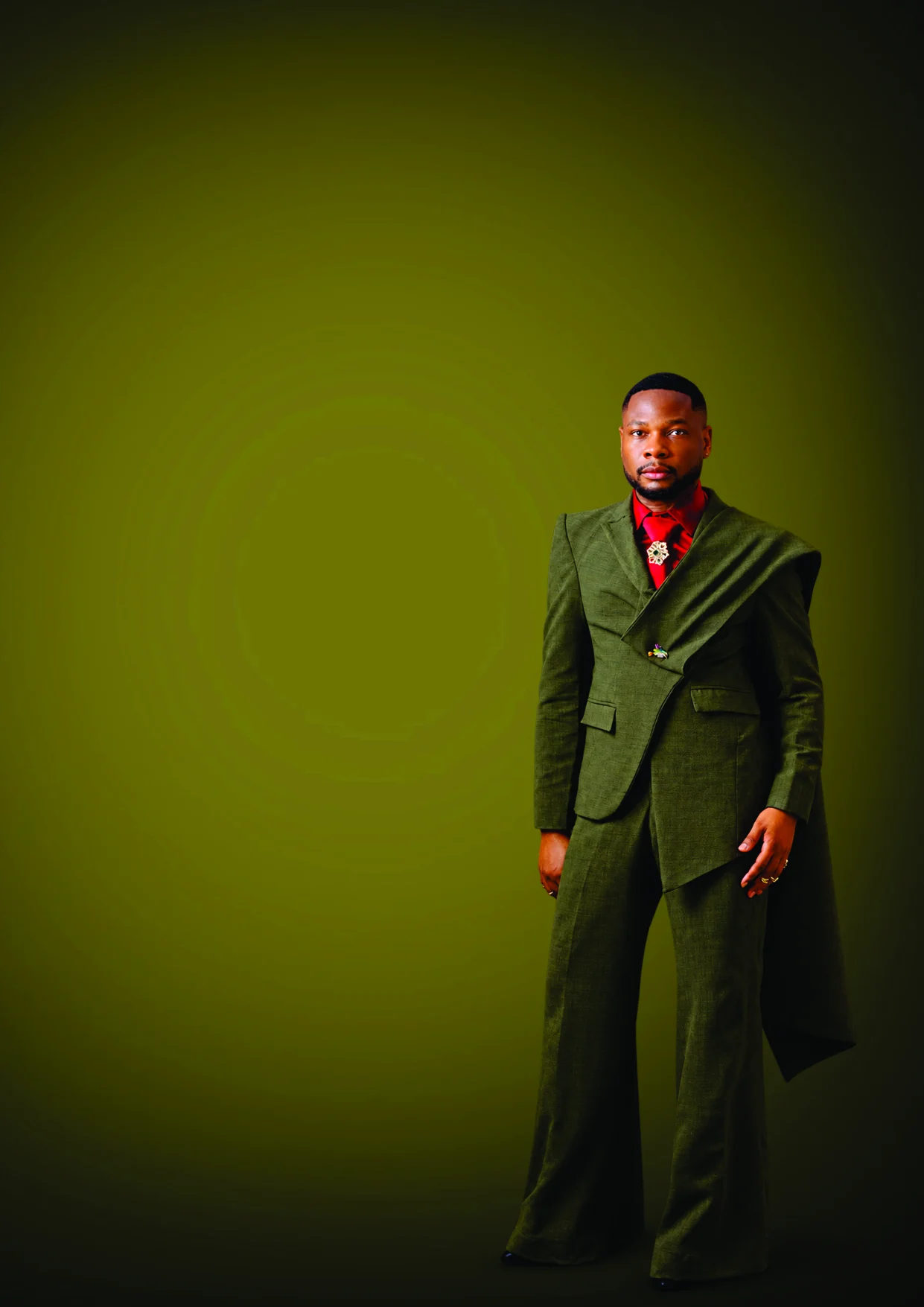
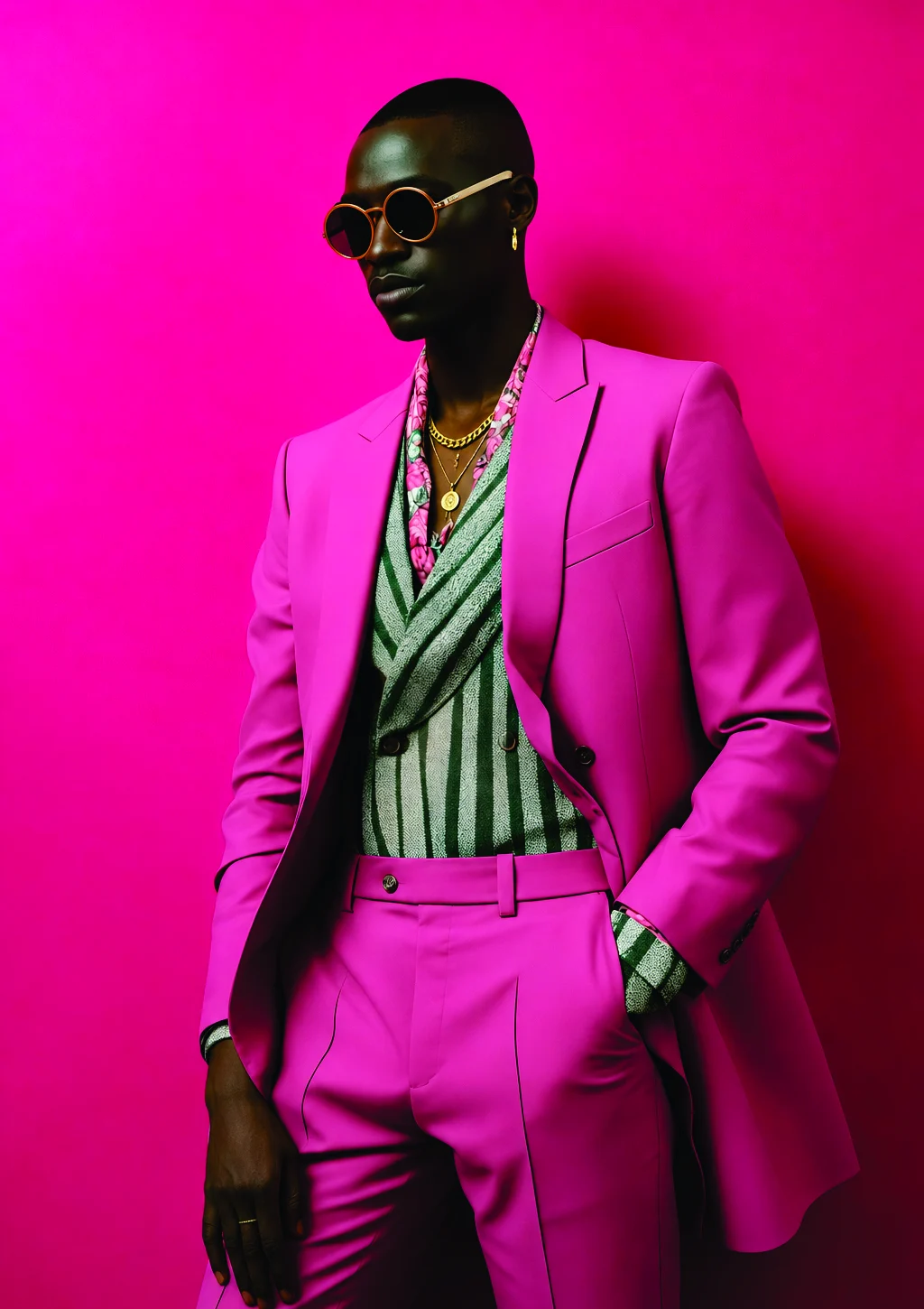
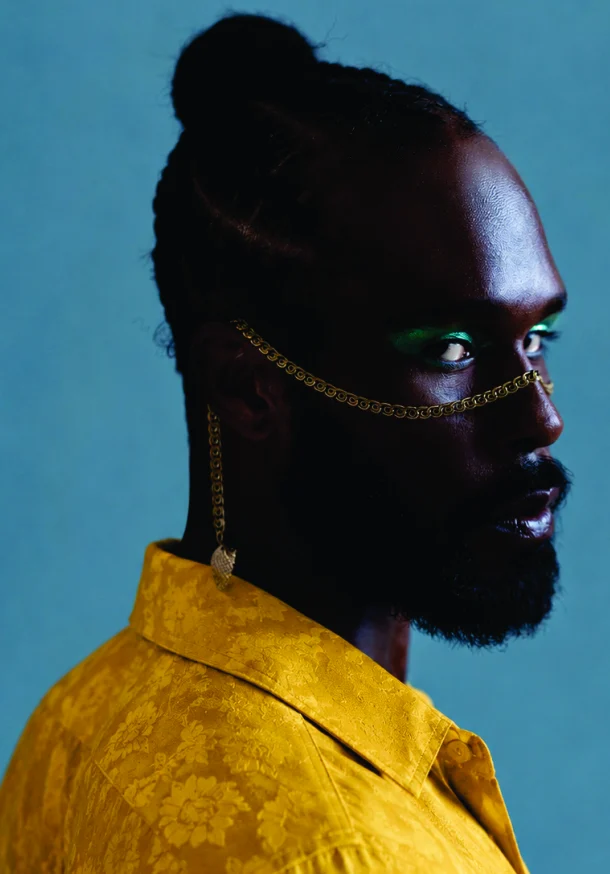
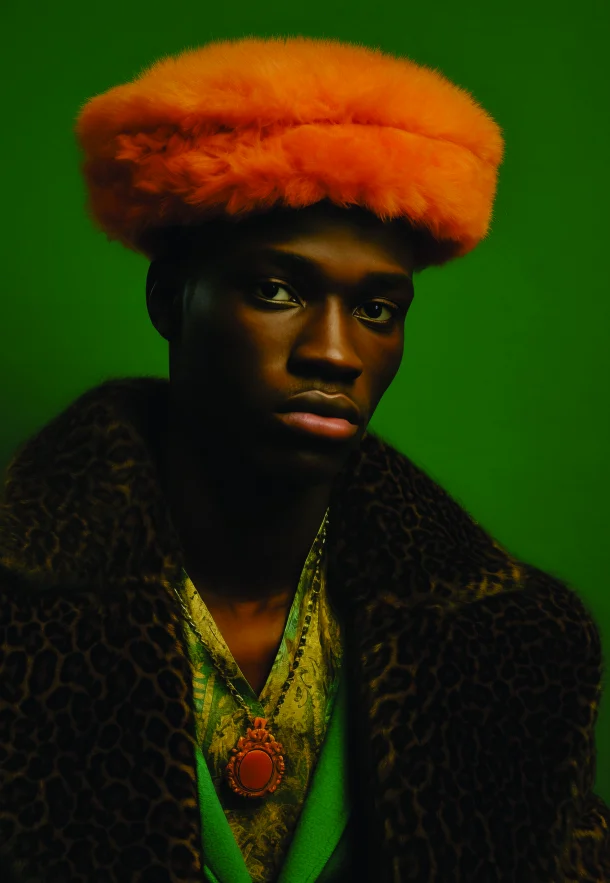
A man in dangling earrings and freshly dyed pink hair walking through the streets of Abuja can still turn heads for the very reason you're thinking. The question would fly; "Why would a man be putting on earrings?" Not because the earrings are badly styled, but because accessories like earrings, painted nails, pink clothing, or even handbags have long been placed within the boundaries of feminine fashion.
Yet, the same fashion choices that once attracted criticism are gradually becoming part of contemporary menswear. A man in black-painted nails can sit more comfortably in a cab today than he could five years ago. Pink caps, pink T-shirts, pink goggles, jewellery and softer silhouettes are appearing more confidently on men, and younger audiences are increasingly embracing the idea that clothing does not have to follow old gender rules.
Five years ago, some of these looks might have attracted a completely different reaction. Today, the conversation is slowly shifting from "Is this feminine?" to "Does this work?"
Nowadays, matching two-piece outfits paired with fashionable shoes have become a bold statement for men. On magazine covers and fashion campaigns, male models confidently pose with handbags, necklaces, and bold accessories that were once considered exclusively feminine.
Several male celebrities now carry this torch; Wizkid, Burna Boy, and Rema have become regular faces for luxury fashion brands, confidently wearing pearls, layered necklaces, rings, and designer accessories.
But is this really femininity, or is fashion simply evolving?
Many people would point to Western influence, and to an extent, they wouldn't be wrong. Through social media, music videos, international fashion weeks, and celebrity culture, trends now travel faster than ever. A bold outfit worn by a British celebrity today could inspire a Nigerian influencer tomorrow, and before long, the comment sections are filled with debates about masculinity, culture, and whether traditional values are slowly disappearing.
Perhaps the reaction comes from how fashion has always been understood.
When jewelry and accessories come to mind, women are often the first reference point. Men, on the other hand, have traditionally been known to dress in a simple fashion and avoid drawing too much attention to themselves.
But history tells a different story. African fashion has always been expressive. Kings wore coral beads, elaborate jewellery, flowing robes, and richly embroidered garments as symbols of authority and identity. In many Nigerian cultures, men have worn wrappers, beads, bangles, and ceremonial accessories, not to appear feminine, but to communicate power, heritage, and beauty.
And time? Time changes everything. Traditions evolve. Personalities evolve. Fashion evolves too.
Today, designers are experimenting more with silhouettes than gender. Adebayo Oke-Lawal of Orange Culture has created collections with fluid tailoring and softer structures that challenge conventional menswear. Chukwukadibia Ezeanyanwu's Kadi Clo is another example of this movement, with contemporary silhouettes anchored in Nigerian cultural identity and a strong emphasis on craftsmanship. Recent designs from Kadi Clo have shown how structured menswear can still embrace dramatic proportions, distinctive detailing and cultural expression without losing its masculine appeal.
Imagine a garment flowing almost like water against the body, allowing movement instead of restriction. Maybe that's the point. A man already carries enough responsibilities; perhaps clothing doesn't have to weigh him down too. Somewhere between tradition and trend, Nigerian menswear has become one of the country's most interesting fashion conversations.
With gender-fluid fashion, jewellery, bold silhouettes, handbags for men, and designers constantly pushing creative boundaries, Nigerian fashion has expanded not only wardrobes but also the world's perception of African style.
So maybe the question isn't whether Naija menswear is feminine. Maybe it's whether fashion is finally being allowed to evolve without being forced into yesterday's definitions.