Rhythm Of The Algorithm
What Blows And What Flops

What Blows And What Flops
Have you ever wondered why one random video gets 10 million views while another, with even better quality, barely gets 200 likes? Welcome to the world of the algorithm, the invisible boss of social media. It's the reason one song is everywhere today and forgotten next week. If the algorithm likes you, you're the main character.
If it doesn't… well, good luck.
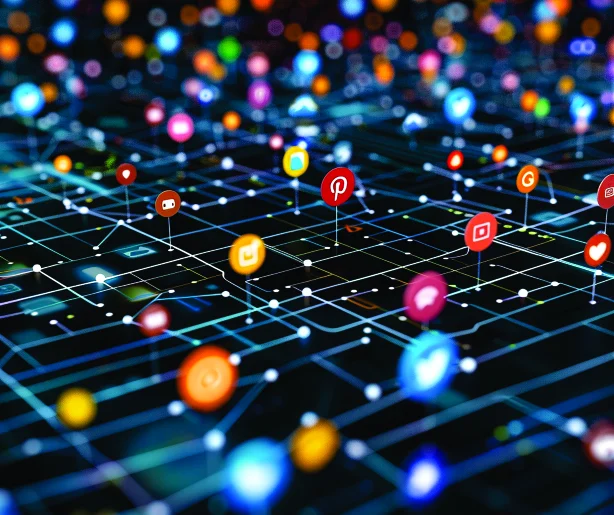
These days, talent alone isn't enough. Timing, consistency and knowing what people want to see matter just as much. A 15-second TikTok clip can turn an unknown artist into the next superstar overnight. Just ask the many musicians whose songs exploded because someone created a dance challenge or a funny skit using their sound. The same thing happens with movies, fashion and even food. One influencer posts a review, thousands of people repost it, and suddenly everyone wants to try it. Before you know it, your entire For You Page is showing the same trend. That's how the algorithm works, it notices what people are watching, liking, sharing and commenting on, then serves it to even more people.
But not everything blows. Some content flops because it's late to the trend. Others fail because they copy what's already everywhere instead of bringing something fresh. Social media users scroll fast and if your content doesn't grab attention in the first few seconds, they're already on to the next post. Harsh? Maybe. But that's the reality of today's internet.
There isn't a secret button that guarantees millions of views, but there are a few things creators can do to give their content a better chance.
01
Forget the idea that there is one magical time when everyone should post. The best posting time depends on your audience, location and platform. A useful starting point is to test different windows such as morning, afternoon and evening and compare the results. You could start by testing around 7–9am, 12–2pm and 6–10pm, when people are more likely to be checking their phones before school or work, during breaks, and after the day's activities. But don't treat these times as a universal rule. Your own analytics should eventually tell you what works best. YouTube, for example, provides audience analytics showing when viewers are on the platform.
02
Consistency matters, but that doesn't mean flooding everyone's feed. YouTube specifically recommends creating a sustainable schedule rather than chasing an arbitrary number of uploads. There is also no minimum posting frequency required for videos to perform well. A realistic starting point for you could be 3–5 short-form posts a week, then adjusting based on what the audience responds to. If you can comfortably create more without sacrificing quality, experiment. If you can only manage two strong videos a week, consistency is still better than burning out trying to post every day.
03
TikTok, Instagram Reels and YouTube Shorts are built around quick, scrollable videos, making them useful for discovery. YouTube Shorts can now be up to three minutes long, but that doesn't mean every video needs to be three minutes. The key is to give people a reason to keep watching. Start with the interesting part instead of spending the first few seconds saying, "Hey guys, welcome back to my channel." Show the outfit, reveal the food, ask the question or get straight into the story. And don't forget the format. Vertical video, clear visuals, readable text and captions make content easier to consume while people are scrolling.
04
The first few seconds matter because viewers can simply swipe away. The algorithm takes signals such as whether viewers choose to watch, how long they stay and what percentage of the video they watch, into account. That means your opening needs to do some work. Instead of: "So today I'm going to talk about five Nigerian movies you should watch…" Try: "Here are five Nigerian movies you need to watch before the month ends." Same topic. Different energy.
05
Don't treat comments as the end of the conversation. They're content ideas hiding in plain sight. Someone asks, "Where did you get that outfit?" Make a video answering it. Someone disagrees with your movie ranking? Respond. Someone asks you to review something? That's another potential post.
06
A post getting lots of likes feels great, but there's more to the story. Look at views, watch time, audience retention, shares, comments, saves and how many people actually chose to watch instead of scrolling past. If your 20-second videos consistently keep people watching longer than your 60-second videos, that's useful information. If your fashion posts get shared more than your talking videos, that's another clue. Your analytics are basically giving you free feedback. You just have to pay attention.
Authenticity is also becoming a secret weapon. Surprisingly, people are getting tired of videos that feel too perfect. They're connecting more with creators who are funny, relatable and real. A shaky phone video with genuine vibes can easily outperform a heavily edited production. People don't just want content anymore, they want personality.
The biggest lesson? Don't chase every trend. The algorithm may decide what gets pushed today, but creativity is what keeps people coming back tomorrow. And in this digital world, that's the beat everyone is trying to catch.